
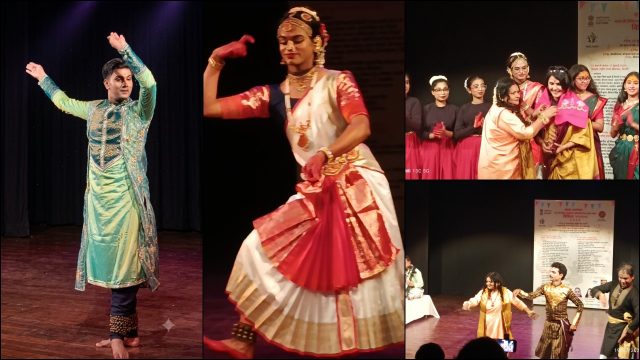
Dilip Guha, New Delhi: Kala Mandali, New Delhi, proudly hosted the prestigious annual event “Vividhā,” a vibrant celebration of India’s diverse cultural heritage. Held from July 15 to July 19, 2026, at the Sanmukh Auditorium of the National School of Drama, this flagship program was organised in collaboration with the Ministry of Culture and showcased a rich tapestry of performances by talented artists and cultural groups from the Delhi NCR region.
Since its inception in 2014, Kala Mandali has distinguished itself as a leading cultural organisation dedicated to the preservation, promotion, and innovative reinterpretation of India’s performing arts. With a focus on theatre, folk and classical arts, music, dance, and multilingual performances, the organisation strives to celebrate India’s cultural diversity while engaging contemporary audiences. Guided by the belief that art serves as a catalyst for social change, Kala Mandali actively champions inclusivity by providing platforms for underrepresented communities, including marginalised and transgender (Kinnar) artists, fostering social dialogue and national integration.
Over the years, Kala Mandali has produced acclaimed theatrical productions addressing social issues, organised national cultural festivals, and launched campaigns like “Vande Mataram” to promote unity and patriotism. Its collaborations with artists, scholars, and institutions across India exemplify its unwavering commitment to cultural preservation and innovation, inspiring generations to appreciate and carry forward India’s artistic legacy.
Kathak Upaj: Celebrating Spontaneity and Tradition
On the festival’s final day, audiences experienced an enchanting evening of Kathak titled Kathak Upaj, performed at the National School of Drama’s auditorium by three distinguished dancers—Abhay Maharaj, Krishna Maharaj, and Arnab Anand. This collaborative performance highlighted the improvisational essence of Kathak, where rhythm, expression, and spontaneous dialogue among artists created a dynamic and immersive experience.
Guided by Secretary Shri Pratibha Singh and Suman Kumar Ji of Kala Mandali, the evening’s flow exemplified artistic synergy. Supporting musicians included vocalist Rishabh Joshi, sarangi maestro Ghanshyam Sisodiya, tabla artist Sukhdev Rajput, and reciter Priyanka Sachdeva, whose contributions enriched the performance.
Abhay Maharaj: Son of Pandit Tirpurari Maharaj, belonging to a lineage of legendary Kathak masters including Padma Vibhushan Pandit Birju Maharaj. Recognised by Sahitya Kala Parishad and awarded scholarships from Kathak Kendra, Abhay’s performances reflect deep respect for tradition and improvisational brilliance.
Pandit Krishna Dutt Maharaj: From the Lucknow Gharana, trained under his guru and uncle, Pandit Ram Mohan Maharaj. With over 15 years of experience, he is renowned for his grace, innovation, and dedication to teaching the spiritual and artistic essence of Kathak.
Aryav Anand: From a lineage of Kathak dancers and Hindustani classical musicians, trained from a young age under his grandfather and father, and later with Pandit Birju Maharaj’s disciples. Currently, he trains under Pandit Deepak Maharaj, exemplifying the Gharana’s rich tradition.
Together, these artists created a mesmerising atmosphere where spontaneous improvisation intertwined with classical mastery, celebrating Kathak’s core values of dialogue, emotion, and collective artistry.
Bharatanatyam by Students of Nritya Kalashetra
On the closing day, students of Nritya Kalashetra presented a series of Bharatanatyam performances choreographed by renowned dancer Dr Deepa Chatterjee, under the guidance of Dr Rajkumar. Their programme showcased both the classical depth and contemporary expressions of Indian dance.
The programme opened with an Instrumental Dance, a semi-classical Bharatanatyam presentation of Joyful Moments, setting an energetic and celebratory tone.
This was followed by Shakti Tandav, a powerful depiction of the fierce and transformative energy of Goddess Shakti, portraying themes of strength, protection, and divine feminine power through dynamic movements and expressive choreography.
The concepts of Tandava and Lasya are foundational to Indian classical dance traditions, including Bharatanatyam and Shakti Tandav.
A devotional solo presentation of Vinayaka Kavithvam paid tribute to Lord Ganesha, blending graceful abhinaya with intricate rhythmic patterns to invoke the remover of obstacles and celebrate the spiritual essence of Bharatanatyam.
The audience then witnessed Western Tadka with Bharatanatyam Varnam, a creative fusion performance that seamlessly combined classical dance vocabulary with modern Western elements.
The recital Tillana in Raga Hindolam was dedicated to Goddess Rajarajeshwari. Performed with vibrant footwork and rhythmic precision, the piece reflected the joy and elegance traditionally associated with the finale of a Bharatanatyam recital.
The final presentation, Jogwa, drew inspiration from the folk traditions of Maharashtra, portraying a devotee’s heartfelt prayer to the Divine Mother through soulful music and expressive movements that conveyed faith, surrender, and spiritual devotion.
The performances were lauded for their artistic excellence and meaningful storytelling, reaffirming Nritya Kalashetra’s dedication to preserving India’s classical dance heritage while embracing innovative expressions.
Rahul Kumar Rajak: A Rising Star in Kathak
Rahul Kumar Rajak, a young Kathak maestro from Bihar and disciple of Pandit Birju Maharaj and Guru Shashwati Sen, enthralled audiences with his captivating recital at VIVIDHA 2026. Honoured with the Bihar Kala Samman – Amrapali Puraskar, Rahul is recognised nationally and internationally for his artistry.
His performance began with a serene Krishna Vandana, composed by his guru, embodying devotion and grace. He then demonstrated technical mastery with a traditional Nritta in Teentaal, followed by an emotionally rich Abhinaya based on a Kajri from Bihar. His expressive storytelling and rhythmic finesse garnered widespread admiration.
Post-performance, Rahul reflected, “VIVIDHA 2026 is more than a festival; it’s a platform where young artists connect with their roots, express their creativity, and inspire the nation.”
Spanning four days, VIVIDHA 2026 offered a vibrant blend of theatre, folk, classical arts, music, and dance, attracting art enthusiasts and participants from across the country. It served as a dynamic platform fostering cultural dialogue, artistic excellence, and social engagement among youth and communities alike.
Kala Mandali’s “Vividhā” 2026 exemplified its mission to preserve India’s artistic heritage, promote inclusive cultural expression, and inspire future generations through innovative and socially conscious art forms